Books
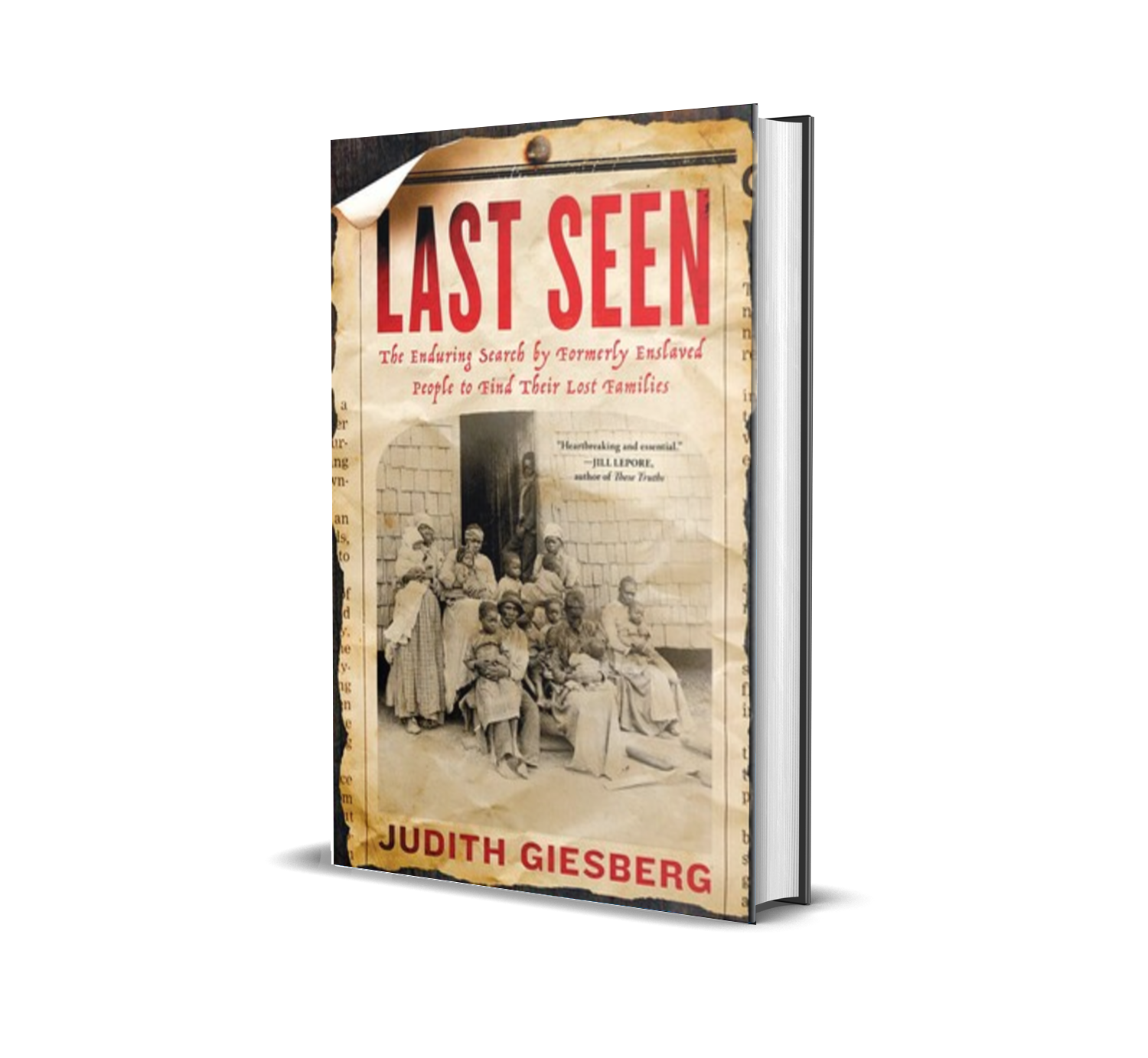
Last Seen
The Enduring Search by Formerly Enslaved People for their Lost Family
Named one of NPR’s 2025 Books We Love and finalist for the 2026 Gilder Lehrman Lincoln Prize!
Last Seen follows ten freed people on epic searches for the loved ones they lost in the slave trade. Drawing on a unique archive of Information Wanted and Lost Friends advertisements published in African American newspapers after the Civil War, each chapter is a microhistory that allows readers to feel what it was like to endure separation from family and kin, to be sustained for decades by an enduring love.
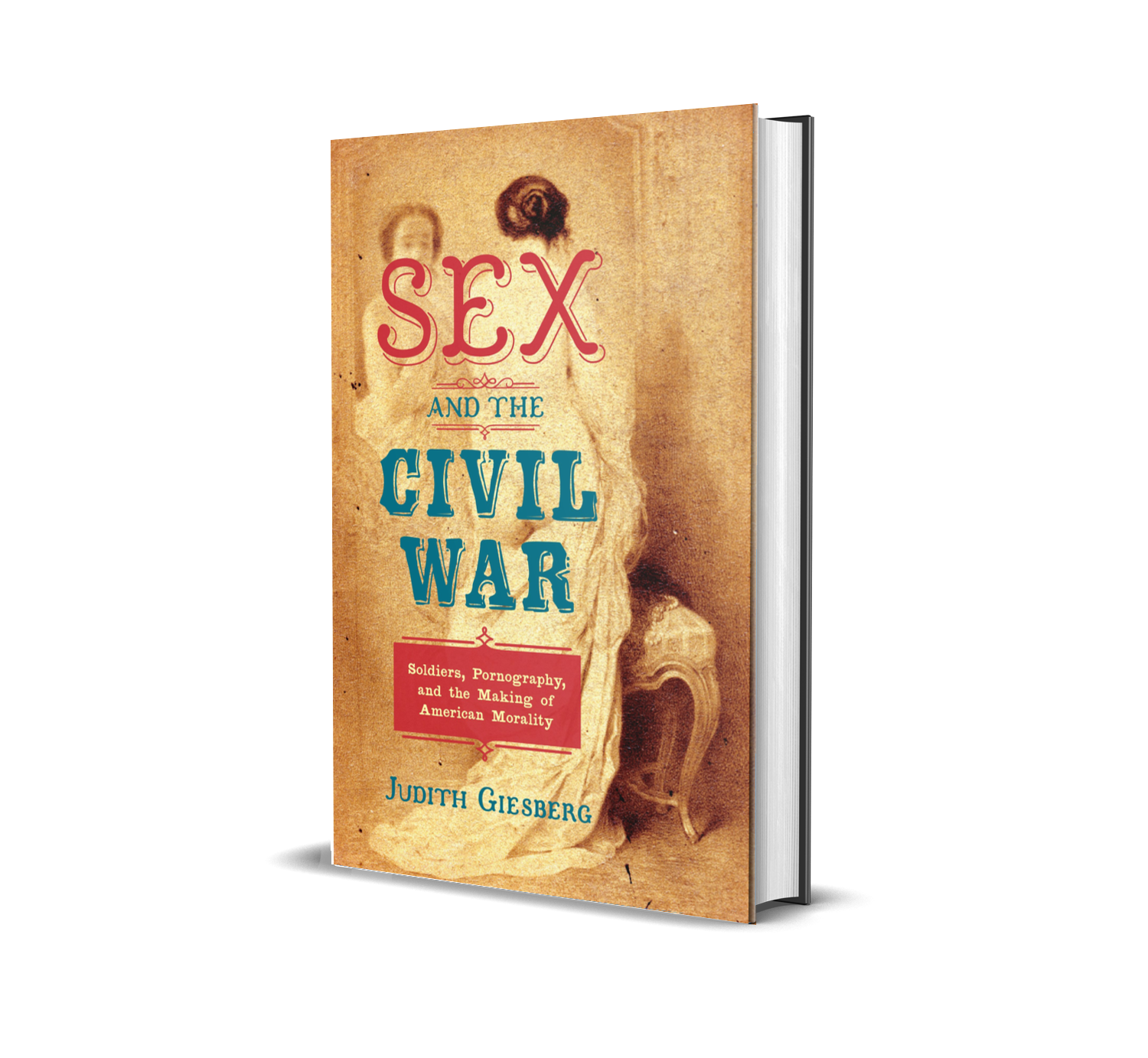
Sex and the Civil War
Soldiers, Pornography, and the Making of American Morality
By the war’s end, a victorious, resurgent American nation-state sought to assert its moral authority by redefining human relations of the most intimate sort, including the regulation of sex and reproduction—most evident in the Comstock laws, a federal law and a series of state measures outlawing pornography, contraception, and abortion.
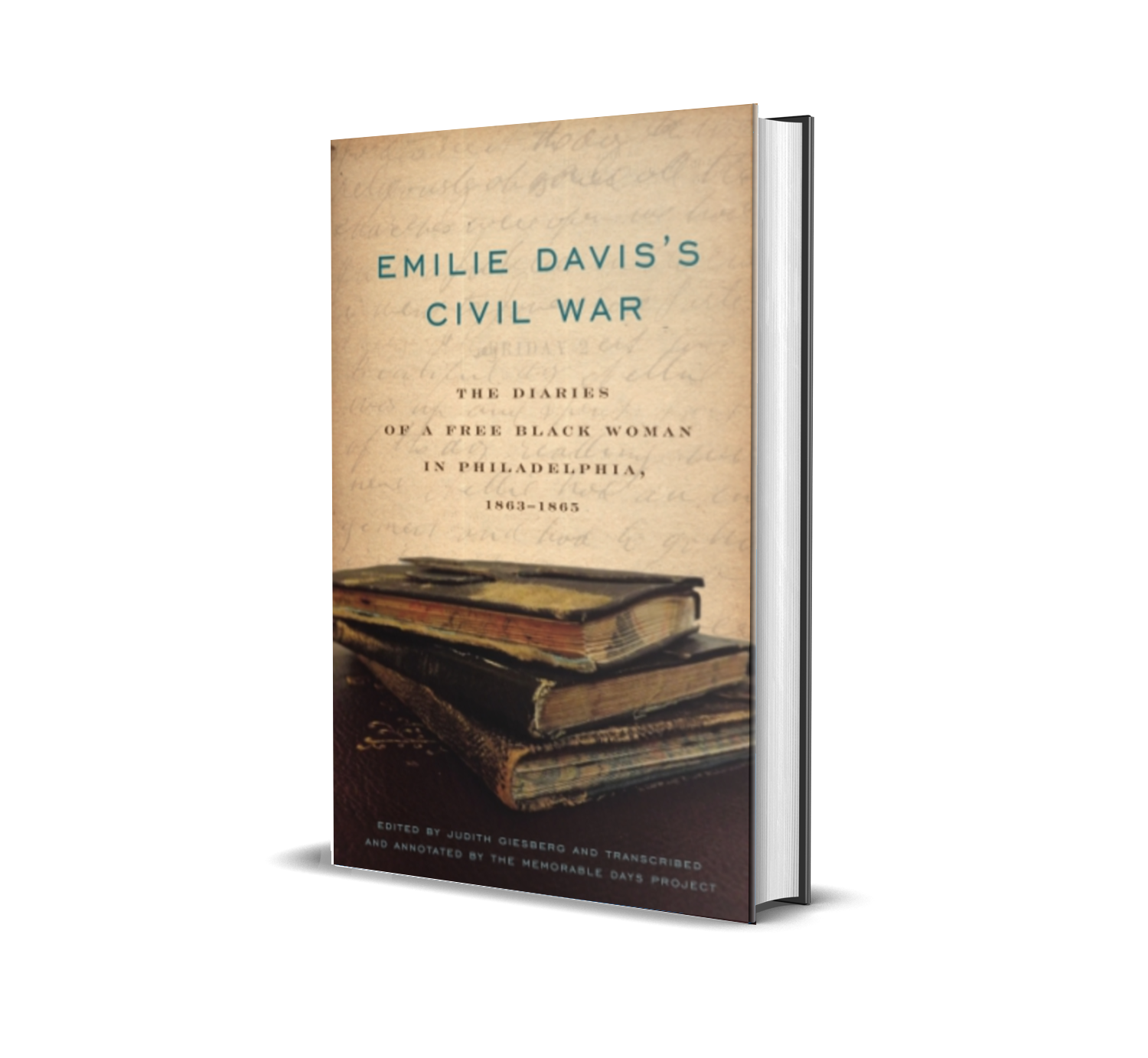
Emilie Davis’s Civil War
The Diaries of a Free Black Woman in Philadelphia, 1863–1865
Emilie Davis was a free African American woman who lived in Philadelphia during the Civil War. She worked as a seamstress, attended the Institute for Colored Youth, and was an active member of her community. Her diaries allow the reader to experience the Civil War in “real time” and are a counterpoint to more widely known diaries of the period kept by elite white women.
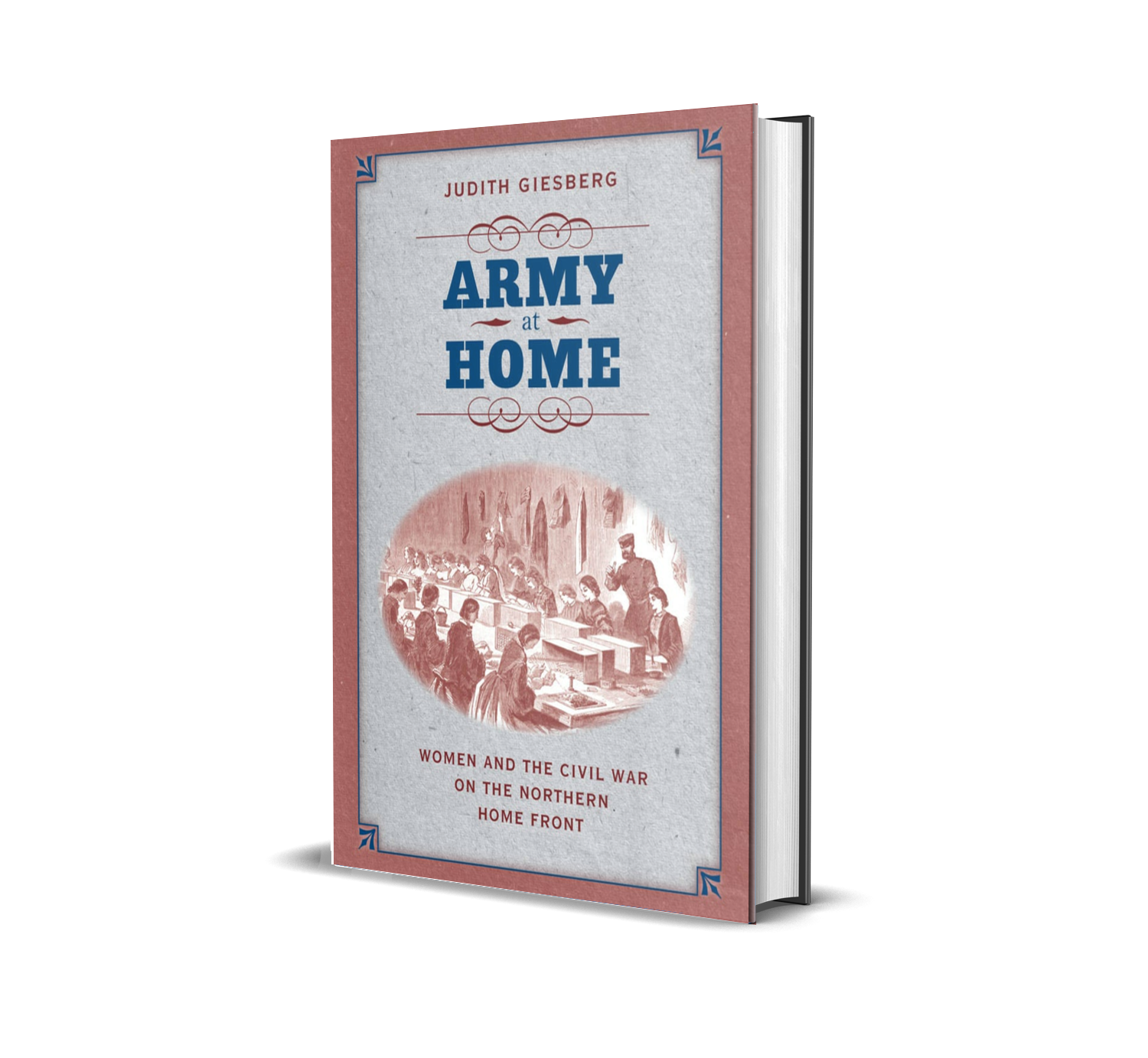
Army at Home
Women and the Civil War on the Northern Home Front
Army at Home examines the lives of working-class women in the North, where they managed farms that had been left without a male head of household, worked in munitions factories, made uniforms, and located and cared for injured or dead soldiers.
As they became more confident in their new roles, these women became visible as political actors, writing letters, signing petitions, moving (or refusing to move) from their homes, and confronting civilian and military officials.
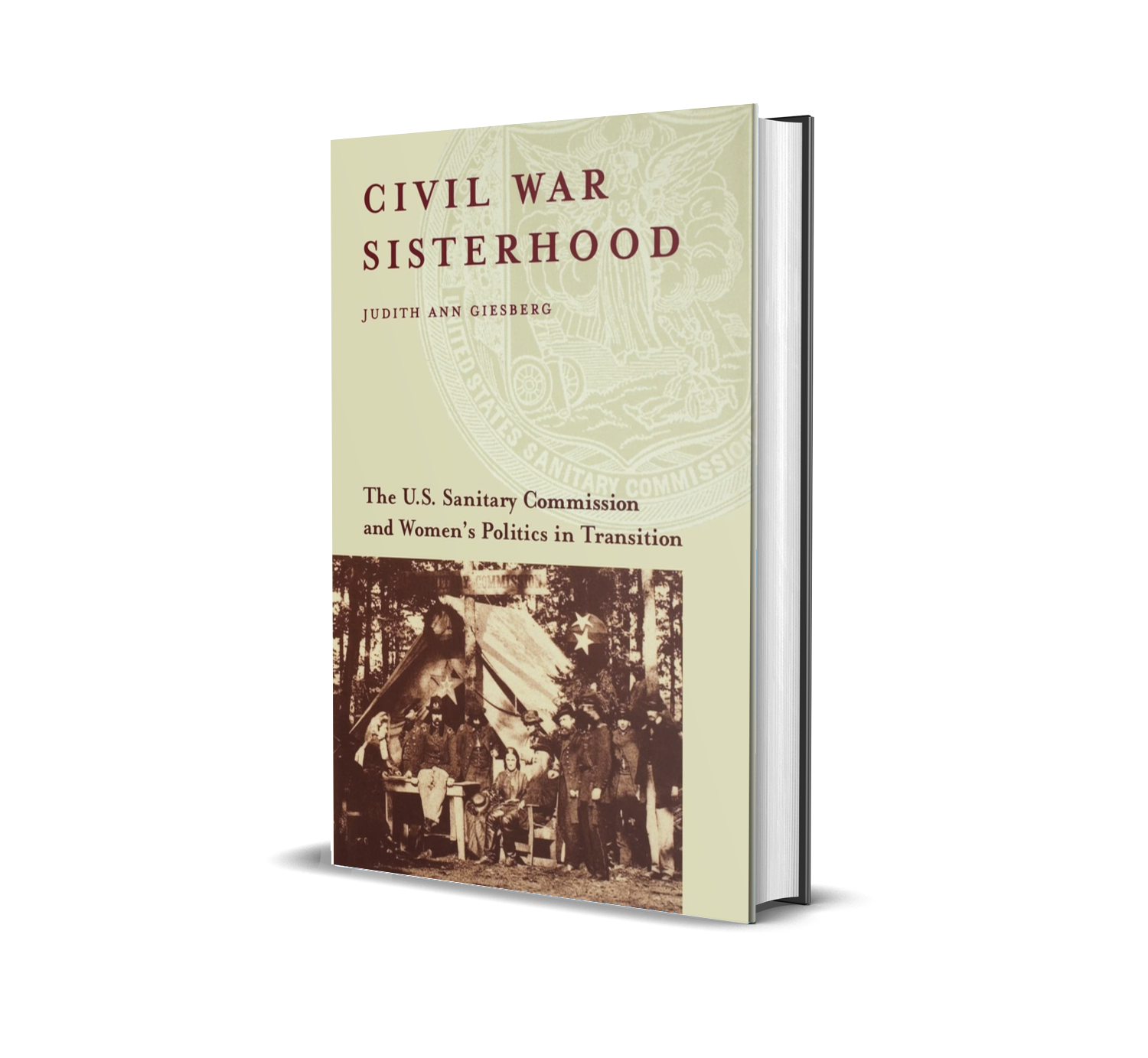
Civil War Sisterhood
The United States Sanitary Commission and Women's Politics in Transition
Civil War Sisterhood demonstrates convincingly that the generation of women who worked for the United States Sanitary Commission (USSC) during the Civil war, provided a crucial link between the local evangelical crusades of the early nineteenth century and the sweeping national reform and suffrage movements of the postwar period.